
How Professional Planners Turn Ideas Into Executable Plans
Every great event starts with an idea. A vision. A vibe. A Pinterest board full of inspiration.
But ideas alone don’t produce a successful event.
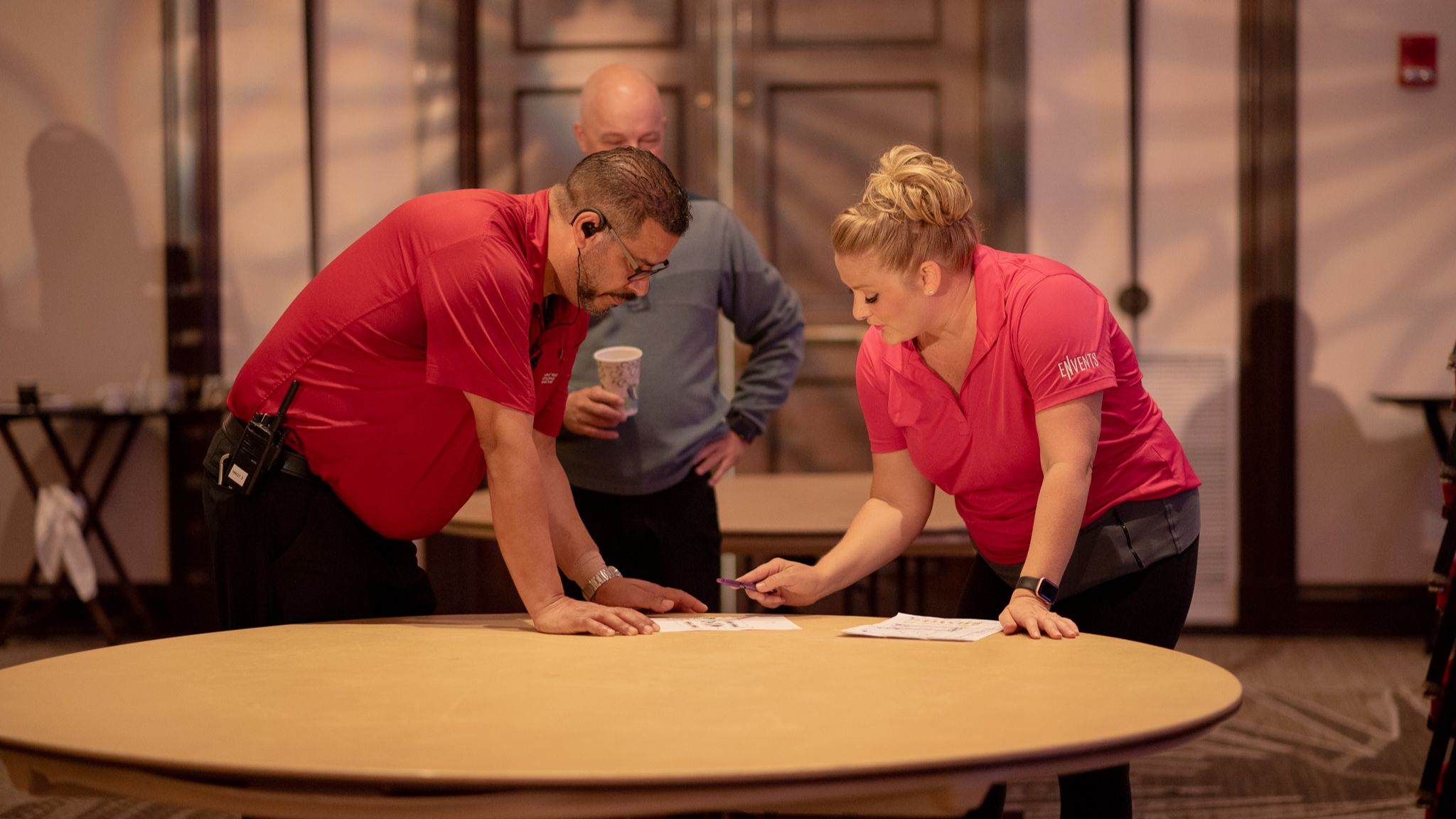
What separates professional planners from DIY planning is the ability to turn creative ideas into clear, executable plans that teams can actually follow.
Here’s how professionals make that shift—from inspiration to execution.
1. They Translate the Vision Into Decisions
Professional planners don’t stop at what it should look like. They immediately move into what needs to happen to make that vision real.
Instead of saying:
-
“Elegant ballroom setup”
They define:
-
Layout and floor plan
-
Linen sizes and quantities
-
Chair styles and counts
-
Lighting needs
-
Load-in and setup timing
Every idea gets translated into tangible decisions. This eliminates guesswork later and keeps the event moving forward.
2. They Break Big Ideas Into Manageable Pieces
A common mistake in event planning is treating the event as one giant task.
Professional planners break events down into smaller components:
-
Décor
-
Furniture
-
Catering
-
AV
-
Staffing
-
Timeline
Then those components get broken down even further into actionable steps. This makes planning feel manageable and prevents details from slipping through the cracks.
3. They Build Systems for Repeat Tasks
Professionals rely on systems, not memory.
Anything that happens more than once—setup flow, décor install, team roles, breakdown—is systemized. This saves time, creates consistency, and reduces stress on event day.
For example, instead of having everyone grab chair covers from boxes across the room, one team member lays them out where they belong while others focus on installation. Fewer steps. Faster setup. Less chaos.
Systems like these may seem small, but they add up quickly during load-in.
4. They Assign Clear Roles and Responsibilities
Ideas fail when too many people are responsible for everything—and no one is responsible for anything.
Professional planners assign clear roles:
-
Who is leading setup
-
Who is communicating with vendors
-
Who is managing décor
-
Who is watching the timeline
This clarity allows teams to work confidently and efficiently without constant questions or overlap.
5. They Plan for Execution, Not Perfection
Experienced planners know that event days are unpredictable.
Instead of planning for a “perfect” scenario, they plan for execution:
-
Clear timelines
-
Built-in buffers
-
Backup plans
-
Flexible systems
This approach allows teams to adapt without losing control when changes happen.
The Bottom Line
Ideas create excitement—but execution creates success.
Professional planners don’t just dream up beautiful events. They build the structure, systems, and processes that allow those ideas to come to life smoothly.
When ideas are paired with clear plans, defined roles, and smart systems, events don’t just look good—they work.
That’s the difference between inspiration and execution.
